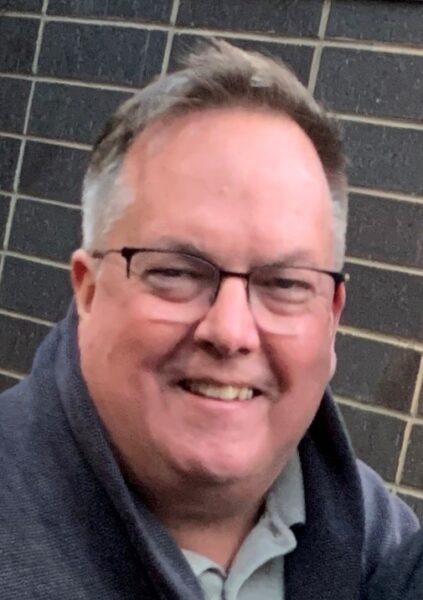
By Michael Burke
Looking for the biggest “return” on your philanthropic investment? Invest in early childhood. Want to make a game-changing investment within early childhood? Invest in the early childhood workforce.
It’s for these reasons that I’ve been proud to be a part of the Early Educator Investment Collaborative (The Collaborative), a group of like-minded funders who recognize the urgent need to transform the early childhood education profession in the United States. Our goal is clear – and ambitious: We want to help all early childhood educators achieve their full potential as professionals to ensure every child is prepared for success in school and life.
That’s a big lift in a country that largely undervalues the profession, underpays the people doing the work, and tolerates a high job-turnover rate. To better understand the challenges and opportunities we face, here are three foundational resources to read, view, or revisit:
- The first examines the sexist, racist, patriarchal roots of early care and education in the United States. “Mary Pauper” – formally titled, “Mary Pauper: A Historical Exploration of Early Care and Education Compensation, Policy and Solutions” – is written by a powerhouse team of researchers led by Chrishana Lloyd, Ph.D., and colleagues at Child Trends.
- The second delves into narrative mindsets and common vocabulary within the early childhood field, pointing out if we’re not careful, our language will only add to a lack of coherence. “Mind the Mindsets” – formally titled, “Mind the Mindsets: A Case for More Coherent and Relevant Narratives from the Field” – is written by Marica Cox Mitchell, Chief Program Officer at the Bainum Family Foundation. The paper was originally published in NAEYC’s Young Children journal.
- The third resource underscores progress on several fronts made over the past 10 years. “A Decade of Change” curates a series of webinars and commissioned papers since two seminal reports were issued by the National Academies of Science: “Transforming the Workforce for Children Birth Through Age 8: A Unifying Foundation” and “Transforming the Financing of Early Care and Education.” (In fact, these two reports drove funders to create the Early Educator Investment Collaborative in the first place).
As The Collaborative’s Executive Director Dr. Ola J. Friday recently reflected, “It can be hard sometimes in the day to day to remember we have made significant progress during a 10-year period that presented deep and unique challenges.”
Can I get an “Amen”? Amen.
Dr. Friday cites a few examples: “advancing pay equity and improving benefits; strengthening teacher preparation and licensure; aligning career ladders and professional development; integrating Family Child Care providers into public Pre-K systems; growing higher education degree programs; and streamlining financing. There is much more to do, but we have many lessons to lean on.”
So, let’s lean on those lessons and lean into the work.
The voices of early childhood professionals are more important than ever. These often quiet voices – whispering encouragement to a toddler, cooing a sleepy baby, soothing a fussy baby, cheering on a preschooler’s discovery and asking just the right question to spark another step in a lifetime of curiosity – are powerful voices, capable of changing a child’s life trajectory.
With more philanthropic investment, we can amplify the voices of the people who are actually doing the work, confront the established, entrenched obstacles in our way, and create a new way forward in which every early childhood professional is well-prepared, well-supported, and well-compensated to do this work that is essential to building a stronger, healthier, more civil society.
In May 2026, Michael Burke retired after a 42-year career in the early childhood field. Most recently, he worked for nearly 20 years at Buffett Early Childhood Fund, an Omaha-based foundation making grants in Nebraska and across the nation. In his next chapter, he continues to work with a couple of Educare schools across the country and as an advisor to the Staton Foundation in Costa Rica.